
ADA Website Accessibility: What “Reasonable” Really Means

ADA Website Accessibility: What “Reasonable” Really Means
Practical ADA website accessibility work starts by removing friction for real users. Keyboard access, clear structure, readable contrast, and understandable forms are not extras. They are part of the experience people rely on to use the site successfully.
Confused about what’s “reasonable” for ADA website accessibility? Here’s how to scope, prioritize, and document practical steps that reduce risk without bloating budgets.
If you’re unsure what counts as “reasonable” for ADA website accessibility, you’re not alone. Leaders worry about risk, cost, and timelines. The goal is not perfection tomorrow; it’s a defensible, practical plan for ADA website accessibility that moves real users forward.
ADA Website Accessibility: What “Reasonable” Really Means in Practice
In most business contexts, “reasonable” for ADA website accessibility means aligning work with widely accepted standards, prioritizing highest-risk barriers, and showing steady progress. For most sites, that means targeting WCAG 2.2 AA as the benchmark for ADA website accessibility, because it’s the most recognized, testable standard used by professionals.
Reasonable also means scoping ADA website accessibility to what you can change. If your CMS or a legacy integration limits fixes, you plan mitigations and a path forward. You document decisions, show your backlog, and demonstrate that ADA website accessibility is being addressed through releases rather than ignored.
For reference, see the W3C’s WCAG overview: WCAG standards and guidelines. It’s the most common yardstick used to evaluate ADA website accessibility in audits and remediation.
ADA Website Accessibility and “Reasonable” Scope, Cost, and Time
Reasonable ADA website accessibility starts with triage: fix the issues that block core tasks first. That typically includes login and account flows, search, navigation, product pages, carts and checkouts, lead forms, primary PDFs, and core support content.
When these flows work for everyone, ADA website accessibility yields the largest risk reduction and the biggest user impact.
Budget and time matter. A small team may phase ADA website accessibility over quarters: templates first, then components, then documents and media. That is still reasonable if you’re removing critical blockers early and publishing an accessibility statement with timelines. The key is visible momentum on ADA website accessibility, not a quiet, open-ended promise.
Third-party tools complicate ADA website accessibility. You are still responsible for user impact. If a widget isn’t fully accessible, provide an equivalent path or switch vendors on renewal. Reasonable means you evaluate, mitigate, and plan—not that you accept permanent barriers in ADA website accessibility.
ADA Website Accessibility: Reasonable vs. Perfection
Perfection is not the bar. Reasonable ADA website accessibility is consistent, testable progress toward WCAG 2.2 AA, with known exceptions documented and mitigated. You may have low-impact defects that ship temporarily if the release removes higher-impact barriers. That’s normal, provided ADA website accessibility regressions are not introduced casually.
Disclaimers do not replace ADA website accessibility. An “accessibility statement” helps—but only if it outlines what’s fixed, what’s next, and how to get help. A real-time contact path (email, phone, or chat) is a practical safety net, but it cannot be the only accommodation for ADA website accessibility if the site itself remains blocked.
Reasonable ADA website accessibility also means testing with assistive technologies common to your users—screen readers, keyboard-only navigation, and zoom. Automated checks are useful, but they are not enough to prove ADA website accessibility on their own.
ADA Website Accessibility: Reasonable Steps You Can Take Now
- Forms and errors: Ensure labels, programmatic names, clear instructions, required indicators, and accessible error messages that identify the field and fix. This is foundational ADA website accessibility.
- Images and media: Add meaningful alt text. For decorative images, use empty alt. Provide captions for prerecorded video and transcripts for audio. These are high-impact ADA website accessibility wins.
- Navigation and focus: Make sure menus, dialogs, and modals are keyboard operable with a visible focus state. Trap focus inside modals. This is everyday ADA website accessibility that prevents users from getting stuck.
- Color and contrast: Meet WCAG contrast ratios, and never use color alone to convey meaning. This is a quick, measurable ADA website accessibility improvement.
- Headings and structure: Use a logical heading hierarchy and landmarks (header, nav, main, footer). It’s table stakes for ADA website accessibility and helps screen reader users navigate.
- Documents and PDFs: Remediate frequently used PDFs first or convert them to HTML. Provide accessible templates for repeatable ADA website accessibility in document publishing.
- Third-party widgets: Audit your chat, analytics, scheduling, and marketing embeds. If they break ADA website accessibility, request fixes or provide an accessible alternative path.
ADA Website Accessibility: How to Document “Reasonable” Effort
Documentation turns good intentions into evidence. Maintain an audit report aligned to WCAG 2.2 AA, a prioritized backlog, and release notes showing what ADA website accessibility issues were fixed when. Keep training records for designers, developers, and content authors to support ongoing ADA website accessibility.
Publish an accessibility statement that names your standard, summarizes progress, lists known gaps, provides timelines, and gives a contact method. This public signal demonstrates that ADA website accessibility is part of your operations, not an afterthought.
ADA Website Accessibility: Choosing Vendors and Setting Expectations
When evaluating partners, ask how they test and who performs it. Require WCAG 2.2 AA deliverables, assistive tech testing, and defect tracking. In proposals and SOWs, define acceptance criteria for ADA website accessibility and how regressions will be prevented. If you need help, our team’s web design services incorporate accessibility into research, design, and build—not as an add-on.
Be cautious of overlay tools that promise instant ADA website accessibility. They can mask issues without fixing underlying code. Reasonable practice relies on clean, semantic HTML, robust ARIA only when necessary, and continuous QA to sustain ADA website accessibility over time.
ADA Website Accessibility: What “Reasonable” Really Means—A Practical Takeaway
Reasonable ADA website accessibility is a plan you can explain and defend: prioritize critical tasks, align to WCAG 2.2 AA, ship iterative fixes, document progress, and upskill your team. Do this and you meaningfully reduce risk while improving experience for everyone.
If you’re starting from scratch, pick one critical flow, fix it end to end, publish your accessibility statement, and keep going. That steady, transparent approach is what “reasonable” looks like for ADA website accessibility—and it’s how you make durable progress.
When the content matters, the system around it has to hold up too.
What ADA Website Accessibility Should Improve
When teams review ADA website accessibility, they should test navigation, headings, interactive controls, focus states, alt text, and the language around forms and errors. Those details often decide whether the page is usable for everyone.
Review checklist
- Audit ADA website accessibility with keyboard, headings, forms, and alt text in mind.
- Check color contrast and focus visibility on key pages.
- Review error states and labels in forms.
- Treat accessibility as part of maintenance, not a one-time task.
A Simple Framework
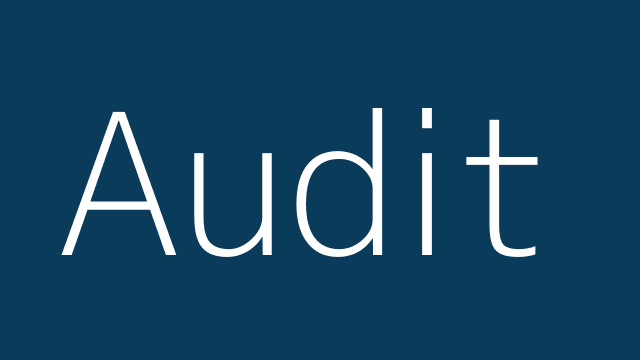
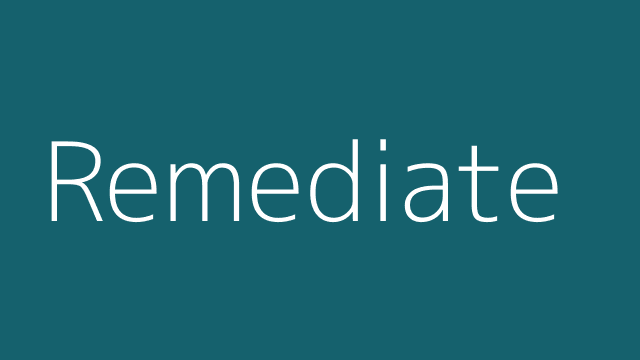
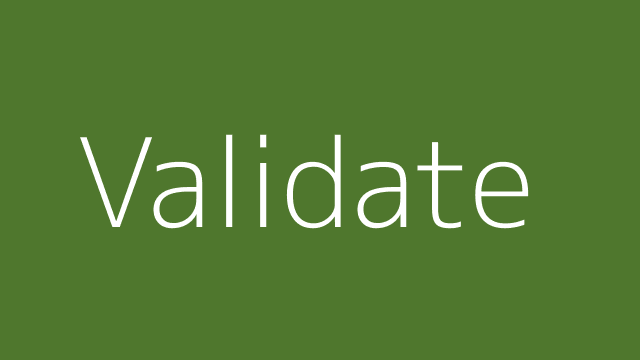
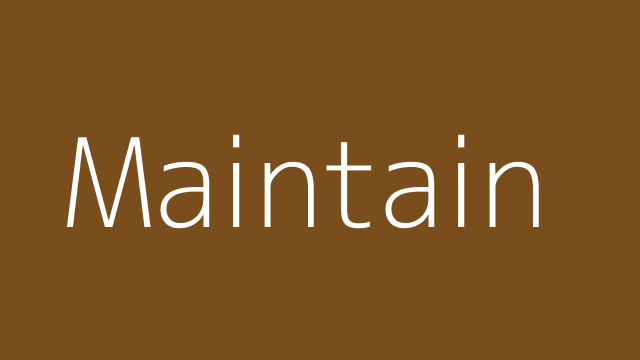
This framework keeps the work moving through a clear sequence instead of a pile of disconnected tasks.
Helpful Resources
Use these resources to compare your current setup against stronger working standards and to keep the next step clear.
Internal next steps
External reference
Keeping Momentum
ADA Website Accessibility also becomes easier to maintain when accessibility checks are built into regular publishing and release workflows. That turns accessibility into an operating habit instead of a delayed remediation project.
The strongest this work programs teach teams what to look for before content goes live. That includes headings, link text, button states, alt text, focus order, and how forms behave when something goes wrong.
Over time, better this work supports better usability for everyone. Clearer structure and clearer interactions tend to improve comprehension, confidence, and task completion across the whole site.
What to keep watching
- Keep the page tied to one clear business outcome.
- Review related internal pages during each update cycle.
- Refresh examples and proof as the page evolves.
- Check that the next step still matches visitor intent.
Keeping Momentum
ADA Website Accessibility also becomes easier to maintain when accessibility checks are built into regular publishing and release workflows. That turns accessibility into an operating habit instead of a delayed remediation project.
The strongest this work programs teach teams what to look for before content goes live. That includes headings, link text, button states, alt text, focus order, and how forms behave when something goes wrong.
Over time, better this work supports better usability for everyone. Clearer structure and clearer interactions tend to improve comprehension, confidence, and task completion across the whole site.
What to keep watching
- Keep the page tied to one clear business outcome.
- Review related internal pages during each update cycle.
- Refresh examples and proof as the page evolves.
- Check that the next step still matches visitor intent.
Keeping Momentum
ADA Website Accessibility also becomes easier to maintain when accessibility checks are built into regular publishing and release workflows. That turns accessibility into an operating habit instead of a delayed remediation project.
The strongest this work programs teach teams what to look for before content goes live. That includes headings, link text, button states, alt text, focus order, and how forms behave when something goes wrong.
Over time, better this work supports better usability for everyone. Clearer structure and clearer interactions tend to improve comprehension, confidence, and task completion across the whole site.
What to keep watching
- Keep the page tied to one clear business outcome.
- Review related internal pages during each update cycle.
- Refresh examples and proof as the page evolves.
- Check that the next step still matches visitor intent.
Keeping Momentum
ADA Website Accessibility also becomes easier to maintain when accessibility checks are built into regular publishing and release workflows. That turns accessibility into an operating habit instead of a delayed remediation project.
The strongest this work programs teach teams what to look for before content goes live. That includes headings, link text, button states, alt text, focus order, and how forms behave when something goes wrong.
Over time, better this work supports better usability for everyone. Clearer structure and clearer interactions tend to improve comprehension, confidence, and task completion across the whole site.
What to keep watching
- Keep the page tied to one clear business outcome.
- Review related internal pages during each update cycle.
- Refresh examples and proof as the page evolves.
- Check that the next step still matches visitor intent.