

Creative Infrastructure 101: Vital Foundations

Creative Infrastructure 101: Vital Foundations
Useful creative infrastructure 101 starts with shared standards for briefs, approvals, production rhythm, and feedback. When those basics are weak, creative work slows down because every project has to reinvent the process.
A better creative infrastructure 101 setup connects strategy, asset organization, handoffs, and measurement. That makes it easier for teams to move faster without losing brand consistency or flooding the week with preventable fire drills.
Struggling to scale content, design, and web delivery? This guide to creative infrastructure shows the vital foundations that keep teams fast, consistent, and reliable.
Your team is producing more content, launching more pages, and supporting more campaigns—but the wheels wobble at speed. Files live in too many places, publishing takes too long, and quality drifts.
Creative Infrastructure 101: Vital Foundations gives you a clear way to organize the systems, standards, and workflows that keep creative infrastructure stable as you scale.
With the right creative infrastructure, you reduce risk, increase velocity, and ship consistently.
Creative Infrastructure 101: Vital Foundations — What it is and why it matters
Creative Infrastructure 101: Vital Foundations is the operating system for your brand’s content and web delivery. It covers how ideas move from brief to design to build to publish, and how they’re maintained afterward.
Strong creative infrastructure turns ad‑hoc heroics into repeatable outcomes. Without creative infrastructure, teams rely on memory and goodwill; with it, they rely on documented decisions, clarity, and automation.
In practice, creative infrastructure means you have clear governance, a shared language for content and components, dependable environments, and a plan for change. Creative infrastructure cuts rework, speeds approvals, and helps new hires contribute faster.
Creative Infrastructure 101: Vital Foundations — The core pillars
Use these pillars to scope Creative Infrastructure 101: Vital Foundations. Treat them as a checklist for your creative infrastructure.
- Governance and strategy: Define who decides what, when. Document roles, approval paths, and priorities. This is the backbone of creative infrastructure.
- Content model and taxonomy: Map page types, components, fields, and tags. A clear content model prevents one‑off layouts and supports scale in your creative infrastructure.
- Design system and component library: Tokens, components, usage rules, and examples. Design systems translate brand into reusable parts—key infrastructure foundations for speed and consistency.
- CMS and DAM: Choose platforms that reflect your content model. Ensure versioning, permissions, and search. These tools are the publishing core of creative infrastructure.
- Workflow and collaboration: Standard briefs, intake forms, and checklists. Integrate project management with your CMS so work moves smoothly across your creative infrastructure.
- DevOps and environments: Source control, branching, CI/CD, staging, and production parity. Include performance, security, and accessibility checks against W3C WCAG. This technical layer underpins creative infrastructure reliability.
Creative Infrastructure 101: Vital Foundations — How to build your stack
Start small and intentional. Creative Infrastructure 101: Vital Foundations works best when you prioritize the most painful gaps first and tighten the loop from idea to publish across your creative infrastructure.
- Audit: Inventory tools, workflows, and pain points. Note handoff delays, duplicate work, unclear owners—classic creative infrastructure issues.
- Model first: Define your content types, fields, and components before choosing tools. This anchors your creative infrastructure in business reality.
- Select tools to fit the model: Pick a CMS, DAM, and collaboration tools that reinforce your model and governance—not the other way around.
- Establish environments and CI/CD: Dev, stage, prod, with automated tests for performance and accessibility. Your creative infrastructure should catch defects before release.
- Document decisions: Capture naming conventions, branching strategy, and approval checklists. Make the documentation part of Creative Infrastructure 101: Vital Foundations and keep it living.
- Train and pilot: Roll out to one team, refine, then scale. Protect momentum in your creative infrastructure by proving value early.
Creative Infrastructure 101: Vital Foundations — Common mistakes to avoid
There are predictable traps when standing up creative infrastructure. Avoid them to protect Creative Infrastructure 101: Vital Foundations from unnecessary complexity.
- Tools before process: Buying platforms without governance or a content model leads to chaos. Process defines the creative infrastructure; tools support it.
- Over‑customization: Heavy bespoke builds increase maintenance and slow delivery. Favor configuration over code when possible in your infrastructure foundations.
- No single source of truth: Assets and copy scattered across drives create version confusion. Your CMS/DAM should be the canonical hub for creative infrastructure.
- Ignoring accessibility and performance: Skipping standards forces expensive rewrites. Bake W3C WCAG and performance budgets into your creative infrastructure workflows.
- Unclear ownership: If “everyone” owns it, no one does. Assign owners for each area of Creative Infrastructure 101: Vital Foundations and review quarterly.
Creative Infrastructure 101: Vital Foundations — Metrics that keep you honest
If you can’t measure it, you can’t improve it. Make these metrics part of Creative Infrastructure 101: Vital Foundations so your creative infrastructure remains healthy.
- Time‑to‑publish: From approved brief to live page. Track by template and channel.
- Content velocity: Completed items per sprint without quality loss—an indicator of infrastructure foundations working.
- Rework rate: Percentage of items sent back after QA or stakeholder review.
- Environment stability: Deployment success rate and rollback frequency across your creative infrastructure.
- Core Web Vitals and accessibility defects: Monitor and gate releases to protect users and brand.
- Findability: Asset retrieval time in the DAM and CMS search success rate.
Review these monthly. Trend lines will show where Creative Infrastructure 101: Vital Foundations needs reinforcement, keeping your creative infrastructure accountable.
Creative Infrastructure 101: Vital Foundations — A phased roadmap
Turn ambition into sequence. A simple roadmap helps Creative Infrastructure 101: Vital Foundations take root without overwhelming teams or your creative infrastructure.
- 0–30 days: Audit, define goals, and draft your content model and governance. Identify the top three bottlenecks in your creative infrastructure.
- 31–60 days: Select CMS/DAM and collaboration tools to fit the model. Stand up dev/stage/prod and basic CI/CD. Document the first version of Creative Infrastructure 101: Vital Foundations.
- 61–90 days: Pilot one high‑value template or campaign. Train stakeholders. Measure time‑to‑publish and quality. Tune the creative infrastructure based on feedback.
- Beyond 90 days: Scale to additional templates, deepen automation, and formalize quarterly reviews of your infrastructure foundations.
Keep change lightweight. Small, frequent improvements make Creative Infrastructure 101: Vital Foundations sustainable and keep your creative infrastructure evolving with the business.
Practical takeaway: treat the system like a product. Assign an owner, set a backlog, and iterate. If you want help designing a stack that balances flexibility and control, explore our web design services—we build creative infrastructure to support long‑term growth.
When the content matters, the system around it has to hold up too.
What Creative Infrastructure 101 Should Improve
To review creative infrastructure 101, look at where projects stall, where context gets lost, and where revisions multiply. Those friction points usually show whether the problem is talent, process clarity, or a missing operating system around the work.
The payoff from creative infrastructure 101 is not just cleaner delivery. It is better focus, faster turnaround, stronger brand consistency, and fewer decisions getting trapped in scattered messages or last-minute approvals.
Review checklist
- Document the standards that shape creative infrastructure 101.
- Clarify who approves, who produces, and who owns next steps.
- Reduce bottlenecks by simplifying handoffs and feedback loops.
- Measure turnaround time, revision load, and consistency.
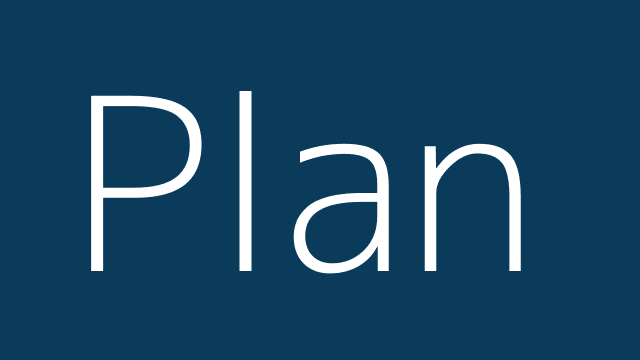
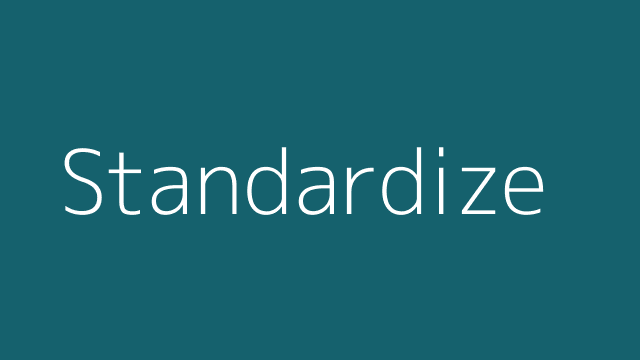
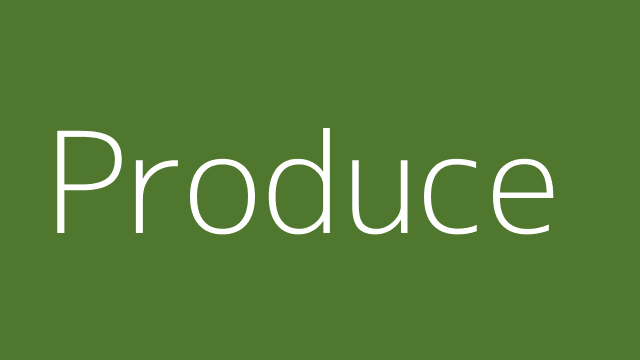
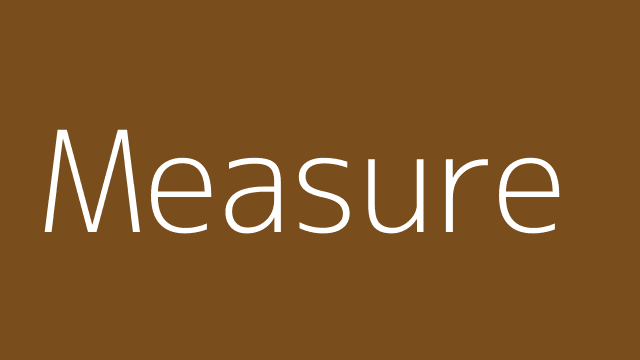
A Simple Framework
This framework keeps the work moving through a clear sequence instead of a pile of disconnected tasks.
Helpful Resources
Use these resources to compare your current setup against stronger working standards and to keep the next step clear.
Internal next steps
External reference
Keeping Momentum
Creative Infrastructure 101 gets stronger when teams stop relying on memory and start relying on visible systems. Shared templates, naming standards, approval rules, and review rhythms reduce confusion long before a deadline is at risk.
Another benefit of stronger this operating model is cleaner leadership visibility. When work moves through a better operating model, it becomes much easier to see where time is being lost and which bottlenecks deserve attention first.
The best this operating model setups are built to survive busy periods. They protect quality even when the calendar gets crowded because the process is clear enough to carry the pressure.
What to keep watching
- Keep the page tied to one clear business outcome.
- Review related internal pages during each update cycle.
- Refresh examples and proof as the page evolves.
- Check that the next step still matches visitor intent.
Keeping Momentum
Creative Infrastructure 101 gets stronger when teams stop relying on memory and start relying on visible systems. Shared templates, naming standards, approval rules, and review rhythms reduce confusion long before a deadline is at risk.
Another benefit of stronger this operating model is cleaner leadership visibility. When work moves through a better operating model, it becomes much easier to see where time is being lost and which bottlenecks deserve attention first.
The best this operating model setups are built to survive busy periods. They protect quality even when the calendar gets crowded because the process is clear enough to carry the pressure.
What to keep watching
- Keep the page tied to one clear business outcome.
- Review related internal pages during each update cycle.
- Refresh examples and proof as the page evolves.
- Check that the next step still matches visitor intent.
Keeping Momentum
Creative Infrastructure 101 gets stronger when teams stop relying on memory and start relying on visible systems. Shared templates, naming standards, approval rules, and review rhythms reduce confusion long before a deadline is at risk.
Another benefit of stronger this operating model is cleaner leadership visibility. When work moves through a better operating model, it becomes much easier to see where time is being lost and which bottlenecks deserve attention first.
The best this operating model setups are built to survive busy periods. They protect quality even when the calendar gets crowded because the process is clear enough to carry the pressure.
What to keep watching
- Keep the page tied to one clear business outcome.
- Review related internal pages during each update cycle.
- Refresh examples and proof as the page evolves.
- Check that the next step still matches visitor intent.
Keeping Momentum
Creative Infrastructure 101 gets stronger when teams stop relying on memory and start relying on visible systems. Shared templates, naming standards, approval rules, and review rhythms reduce confusion long before a deadline is at risk.
Another benefit of stronger this operating model is cleaner leadership visibility. When work moves through a better operating model, it becomes much easier to see where time is being lost and which bottlenecks deserve attention first.
The best this operating model setups are built to survive busy periods. They protect quality even when the calendar gets crowded because the process is clear enough to carry the pressure.
What to keep watching
- Keep the page tied to one clear business outcome.
- Review related internal pages during each update cycle.
- Refresh examples and proof as the page evolves.
- Check that the next step still matches visitor intent.






One Comment
Comments are closed.